Getting Started with AI Image Generation: Complete Guide
Explore the world of AI image generation with this complete guide. Learn how AI image generators work, discover the best tools, and start creating stunning visuals effortlessly.
Introduction
Artificial Intelligence (AI) has had a significant impact on various industries, and one of its most exciting applications is in the field of image generation. AI image generators use advanced machine learning algorithms to create images from textual descriptions, turning creative ideas into visual representations. Whether you’re an artist, a content creator, or someone exploring the power of AI for the first time, understanding how these tools work and how you can leverage them will be incredibly valuable. This guide will walk you through the basics of AI image generation, show you how to use these tools effectively, and introduce you to some of the top AI image generation platforms. We’ll also refer to our core pillar post, which goes into more depth on how AI is revolutionizing creative processes and digital content.
1. Understanding AI Image Generation
AI image generation relies on machine learning models, particularly deep learning techniques, to generate visuals from text descriptions or input images. These models, like Generative Adversarial Networks (GANs) and Diffusion Models, are trained on vast datasets of images to learn patterns, textures, and features. Once trained, the AI can create completely new images that closely resemble the data it was trained on or reflect the instructions given through text prompts.
The process works as follows: You provide a text description of the image you want or upload an existing image, and the AI uses its trained neural network to generate a new, unique visual. Depending on the AI model, this image can range from a photorealistic representation to abstract, artistic visuals.
AI-generated images offer numerous benefits. They save significant time and effort, especially for individuals and businesses that need high-quality visuals but don’t have the resources or skills to create them manually. AI tools also serve as powerful creative assistants, offering inspiration and helping generate new ideas that might not have been conceived otherwise. Furthermore, these tools can create highly detailed, photorealistic images or abstract representations, making them versatile across industries such as marketing, graphic design, game development, content creation, and even personalized artwork.
2. How to Use AI Image Generators
Choosing the Right AI Tool
The first step in using AI image generation is selecting the right tool. Not all AI image generators are created equal, and each has its strengths and weaknesses, depending on your specific needs. Factors such as pricing, ease of use, customization options, and the quality of output images should be considered when choosing a platform. Popular tools such as MidJourney, DALL·E, and Stable Diffusion offer distinct advantages, and we’ll cover each of these in detail later on in this article.
Getting Started with AI Image Generation
Once you’ve selected your AI image generation tool, the next step is signing up for the platform. Many platforms offer free plans with limited features, while premium plans provide access to additional tools, higher quality outputs, and faster image generation times. When you’re just starting, you can experiment with the free options to familiarize yourself with the interface and image generation process.
Writing effective prompts is crucial when using AI image generators. The better your prompt, the more accurate and refined your image output will be. It’s important to be specific in your description. For instance, instead of saying “a cat,” you might try “a fluffy white cat with blue eyes sitting on a green velvet couch.” Including additional details like style, mood, and colour palette can further enhance the image’s quality and match your vision. Most platforms will also allow you to tweak your prompt over time to refine the images produced.
Editing and Refining Your AI-Generated Images
While AI image generation tools are incredibly powerful, the images they create may still need some fine-tuning. Once the initial image is generated, you can enhance it using editing software like Adobe Photoshop, GIMP, or Canva. These tools can help you adjust the resolution, improve the contrast, enhance colours, and even add or remove elements from the image.
Upscaling tools can also increase the resolution of AI-generated images, which is especially useful if you plan to print them or store them in high-quality digital formats. Some platforms even offer image enhancement features as part of their premium packages, so be sure to explore all the options available.
Ethical Considerations
As with any technology, it’s important to approach AI image generation ethically. Be mindful of copyright laws and avoid generating images that closely resemble existing copyrighted material unless you have permission or are using public domain sources. Also, being responsible when using AI-generated images in commercial work is essential. Always check if your platform has any licensing restrictions or requirements for commercial use.
3. Top AI Image Generation Tools
MidJourney
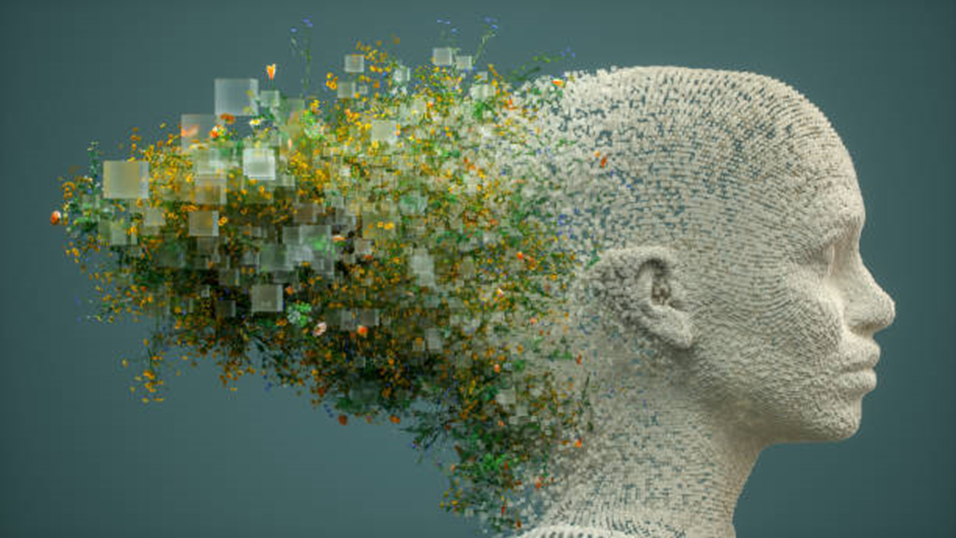
MidJourney is one of the most popular AI image generation platforms, particularly favoured by users who want highly detailed and artistic images. Unlike many other platforms, MidJourney operates primarily through Discord, where users enter commands to generate images. This makes the process relatively easy once you’re familiar with Discord’s commands. MidJourney excels at creating artistic interpretations and visualizing concepts in creative ways.
MidJourney is suitable for personal and professional use and provides different pricing plans based on usage. The images it generates are known for their richness and complexity, which makes it ideal for designers, illustrators, and digital artists. It also offers the flexibility to refine and iterate images through simple adjustments in commands.
DALL·E 3 (by OpenAI)
DALL·E 3, developed by OpenAI, is another leader in the AI image generation space. It is particularly well-known for its ability to generate realistic and highly creative images based on text prompts. DALL·E’s user interface is simple and intuitive, making it accessible for beginners and professionals alike. It allows you to create everything from surreal dreamscapes to photorealistic depictions of objects, landscapes, and even entirely new creatures.
DALL·E 3 is integrated with OpenAI’s other products, including ChatGPT, and is available through the ChatGPT Pro plan or via API. This platform is especially useful for businesses, marketers, and content creators who want to generate high-quality images for marketing campaigns, product images, and other professional purposes.
Stable Diffusion
Stable Diffusion is an open-source AI image generation platform that provides significant flexibility. Unlike closed platforms like DALL·E, Stable Diffusion allows users to fine-tune the models and even train them on specific datasets for highly customized results. However, this flexibility comes with a trade-off: setting up and using Stable Diffusion requires a bit more technical knowledge, such as installing the software and working with model files.
For users comfortable with technical setups or those who require more control over their image generation process, Stable Diffusion is an excellent choice. It’s free to use, and its open-source nature means that the community can continuously improve and customize the models. It also supports advanced features like image-to-image generation, where you provide an initial image, and the AI generates variations based on that image.
Deep Dream (by Google)
Google’s Deep Dream is a unique AI image generator that produces surreal, dream-like images by amplifying patterns in photos. It’s particularly popular among artists and creative professionals who enjoy experimenting with abstract visuals. Deep Dream was one of the first popular AI image generation tools to gain attention due to its psychedelic style and the ability to transform ordinary images into captivating, intricate artworks.
While not as versatile as tools like DALL·E or MidJourney for general image generation, Deep Dream is fantastic for creating artistic and surreal visuals. Its focus on enhancing existing images through pattern recognition makes it ideal for artistic experimentation rather than producing realistic images.
Runway ML
Runway ML is a versatile AI platform that integrates with various creative tools and offers a range of AI models, including those for image generation. It is designed for both beginners and professionals, providing an easy-to-use interface for generating images, videos, and other media. Runway ML is particularly valuable for content creators who need to integrate AI-generated images into multimedia projects like video editing or animation.
With real-time AI processing and video editing features, Runway ML is ideal for creative professionals who want to incorporate AI into their workflows. It supports a wide range of AI models and is continuously updated with new features, making it one of the most innovative platforms for AI-powered creativity.
4. Optimizing AI Image Generation for SEO & Monetization
AI-generated images aren’t just great for personal projects or artistic endeavors; they can also be powerful tools for SEO and monetization. To maximize the impact of your AI-generated images, it’s essential to implement SEO best practices.
SEO Best Practices for AI-Generated Images
One key aspect of SEO is ensuring your images are properly optimized for search engines. This involves using descriptive alt text, which helps search engines understand the content of the image. Additionally, optimizing image file sizes is crucial for improving page load speed, which can directly impact your website’s ranking. When saving images, include relevant keywords in the filenames, as this can further enhance search visibility.
Monetizing AI-Generated Images
There are several ways to monetize AI-generated images. Many platforms like Etsy, Redbubble, and Shutterstock allow users to upload and sell their digital art. AI-generated visuals can also be used in marketing campaigns, where businesses use unique images for advertisements, social media, and website content.
Another monetization method is using AI-generated images to enhance your own website or blog. By improving the quality and uniqueness of your content, you can increase user engagement and drive more traffic to your site.
Conclusion
AI image generation is an exciting tool that opens up new possibilities for creativity, business, and digital content creation. With the right tools and a bit of practice, anyone can create stunning visuals that range from realistic to surreal. Whether you’re using AI for artistic exploration, marketing, or business, an AI image generator can meet your needs.
For deeper insights into how AI is revolutionizing digital creativity, check out our core pillar post. Happy creating.